How to Choose Flooring for a Home with Wheelchairs and Mobility Aids
Learn how to choose flooring for wheelchairs and mobility aids by considering smooth movement, transitions, traction, glare, and maintenance.
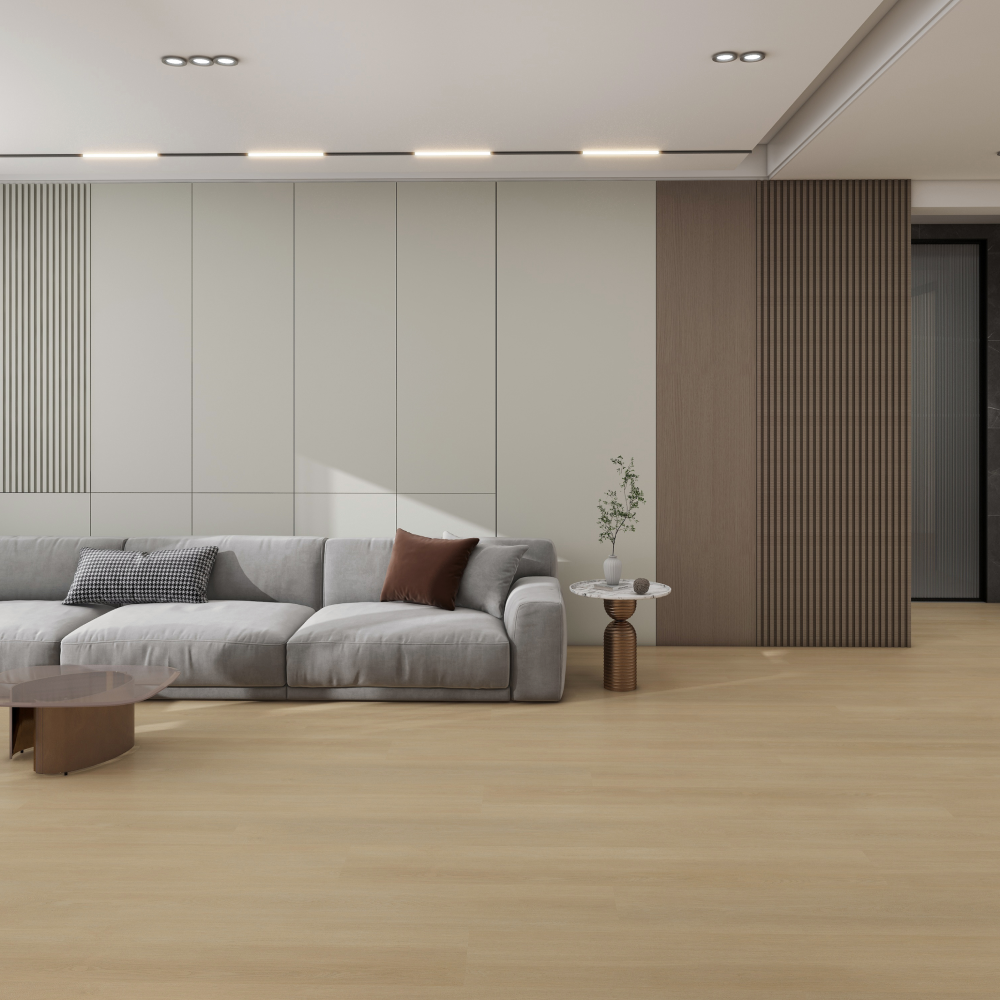
Flooring plays an important role in creating a comfortable and accessible home. Wheelchairs, walkers, canes, and other mobility aids require surfaces that are stable, smooth, and free from unnecessary obstacles. Flooring must also support safe movement between rooms without creating abrupt height changes or loose edges.
Accessibility is not only about function. A well-designed accessible home can also feel warm, modern, and visually cohesive. In this guide, you will learn what to consider when selecting flooring for wheelchairs and mobility aids.
Why Flooring Matters for Mobility
Flooring affects:
- How easily wheels roll.
- How stable a walker feels.
- The effort required to move across rooms.
- Visibility of changes in level.
- Cleaning and maintenance.
- The risk of catching or tripping.
A consistent surface can make daily movement easier and more predictable.
Key Flooring Features
Smooth Transitions
Flooring should connect to adjacent rooms with low-profile, secure transitions.
Stable Surfaces
Avoid loose, curling, or highly flexible surfaces that may move under pressure.
Moderate Texture
Some texture can provide traction, but excessive grooves may make wheels or mobility aids harder to move.
Low Glare
Highly reflective surfaces can create visual confusion, especially in rooms with strong lighting.
Easy Maintenance
Waterproof, easy-care flooring can help reduce the effort required to keep the home clean.
Managing Transitions
Pay close attention to:
- Doorways.
- Bathrooms.
- Kitchen entries.
- Flooring changes.
- Ramps and thresholds.
- Stair transitions.
Transitions should be securely fastened and designed to reduce abrupt changes in height.
Avoiding Common Problems
Avoid:
- Thick, loose rugs.
- Uneven flooring.
- High-gloss finishes that create glare.
- Unsecured transition strips.
- Abrupt changes in floor height.
- Heavy texture that interferes with wheels.
Consult an accessibility professional when the project involves specific mobility requirements or medical equipment.
Create a More Accessible Home
The right flooring can support independence, comfort, and confidence while maintaining a beautiful interior.
Design For Easier Movement
Explore CPF Floors’ stable, durable flooring options and contact our team to discuss flooring for accessible residential environments.